

Solar Panels South Africa – What They Are, How They Work and Why Now Is the Time to Switch
South Africa has sun. A lot of it. In fact, the country gets more sunshine per year than almost anywhere else in the world, making solar panels in South Africa one of the smartest investments a homeowner or business can make right now.
Whether load shedding has finally pushed you to look into alternatives, or you just want to cut your electricity bill and stop relying on Eskom, this guide covers the basics, what a solar panel actually is, how the whole system works, the real benefits, and answers to the questions most South Africans are already asking.
What Is a Solar Panel?
A solar panel is a device that captures sunlight and converts it into usable electricity. It is made up of photovoltaic (PV) cells, typically manufactured from silicon, that react when sunlight hits them and produce an electrical charge.
On their own, individual cells do not produce much power. That is why they are grouped together into panels, and panels are grouped into a solar array on your roof or property. The more panels you install, the more electricity you can generate.
How Do Solar Panels Work?
The process is simpler than most people expect:
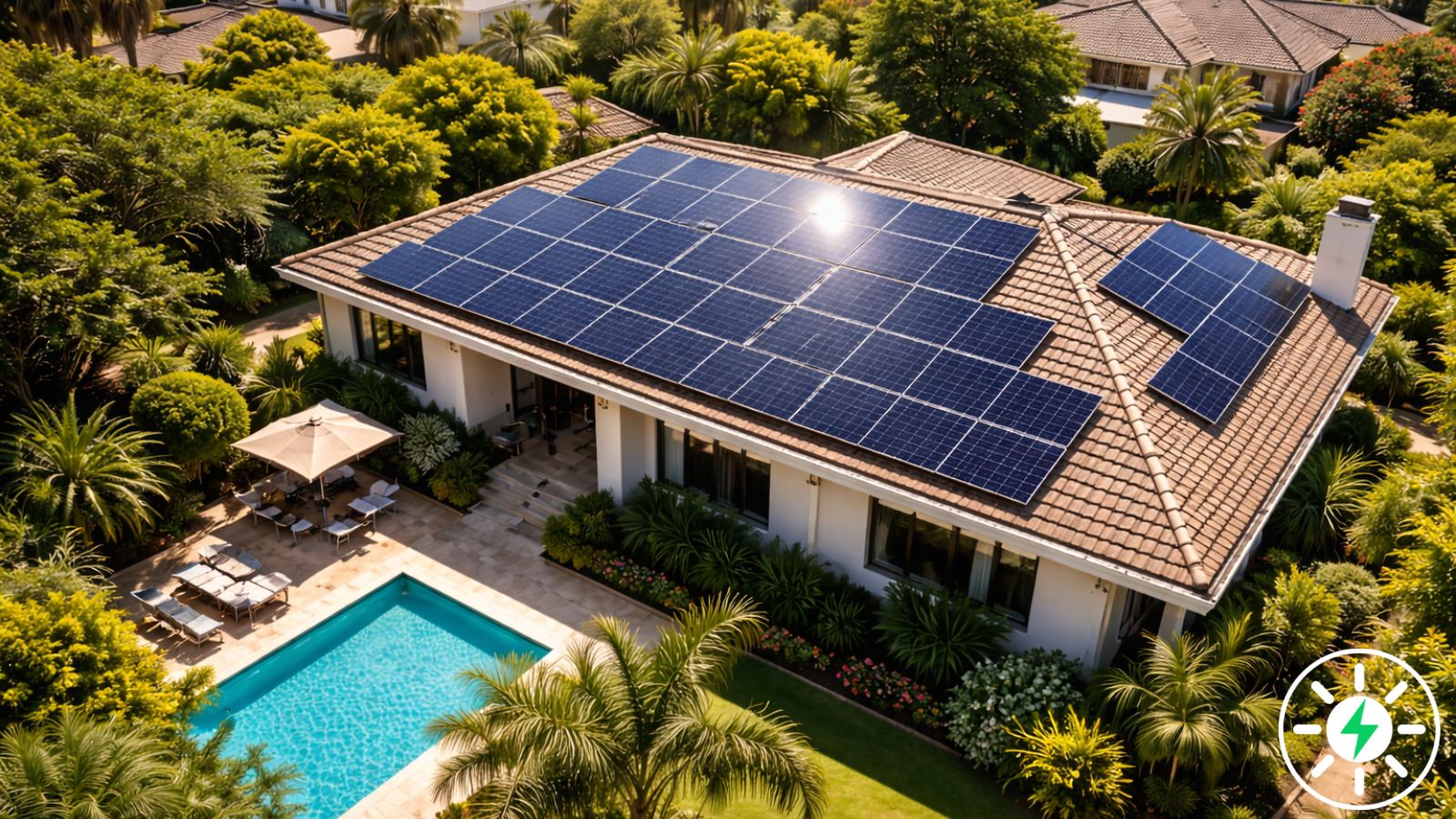
- Sunlight hits the solar panels on your roof and generates a direct current (DC) of electricity.
- The inverter converts DC into AC (alternating current), which is the type of electricity your home or business actually uses.
- Electricity flows through your property powering lights, appliances, and devices.
- Excess electricity can be stored in a battery for later use, or in some cases fed back into the grid.
With a battery backup included in your system, your power keeps running even when the grid goes down, which matters a great deal in South Africa right now.
The Real Benefits of Solar Panels in South Africa
South Africans have very specific reasons to consider solar, beyond just being eco-friendly. Here is why the switch makes sense:
- No more load shedding disruptions – a properly sized system with battery storage keeps your home or business running during outages.
- Lower electricity bills – once installed, solar drastically reduces what you pay Eskom every month.
- Protection against rising tariffs – Eskom rates have increased significantly year on year. Solar locks in your energy costs.
- Increase your property value – a solar-equipped home is more attractive to buyers and renters.
- Environmentally responsible – solar is clean, renewable, and produces zero emissions during operation.
- Finance options are available – you do not have to pay upfront. Solar finance options make it accessible for most households and businesses.
Is Solar Worth It in South Africa?
Short answer, yes. South Africa receives an average of more than 2,500 hours of sunshine per year, placing it among the most solar-friendly countries on the planet. The conditions here are ideal for photovoltaic systems to perform at their best.
Add to that the ongoing pressure of load shedding and rising electricity costs, and solar power for homes and businesses in South Africa is not just a nice-to-have, it is becoming a practical necessity.
Most systems pay for themselves within five to eight years, and quality panels carry warranties of 25 years or more.
Choosing the Right Solar Solution
Not every home or business needs the same setup. The right solar panel installation in South Africa depends on your electricity consumption, your roof size and orientation, whether you want battery storage, and your budget.
That is why getting a proper assessment matters. The team at solar-panel.co.za provides free quotes and will help you work out exactly what you need, from a basic home setup to a full off-grid business solution.
Explore the available solar power packages or find out more about solar for homes and solar for business.
Frequently Asked Questions About Solar Panels in South Africa
Here are the answers to the questions South Africans ask most about solar panels. A full dedicated FAQ section follows below.
How many solar panels do I need for my home? It depends on your monthly electricity usage. A small home may need as few as 6 to 8 panels, while a larger property or business may need 20 or more. Read the full answer in the FAQ below.
Do solar panels work during load shedding? Standard grid-tied systems switch off during load shedding for safety reasons. However, a hybrid or off-grid system with battery storage will keep running. Read the full answer in the FAQ below.
How much do solar panels cost in South Africa? Prices vary significantly depending on system size and components. Read the full breakdown in the FAQ below.
How long do solar panels last? Most quality panels are designed to last 25 to 30 years. Read the full answer in the FAQ below.
Can I finance my solar panels? Yes. Read more in the FAQ or visit the solar finance page directly.
Ready to Make the Switch?
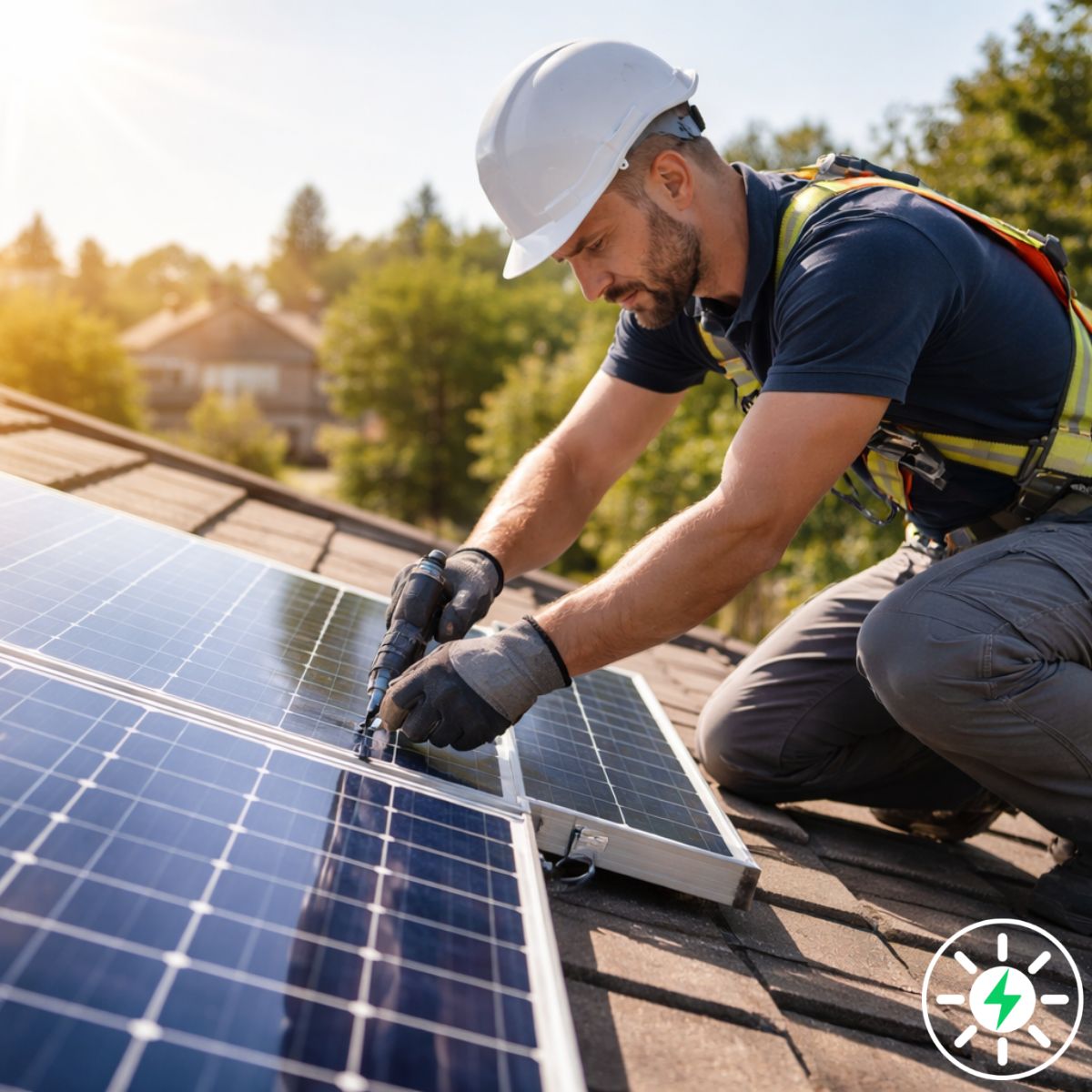
If you have been thinking about going solar, the best next step is a free, no-obligation quote. The team at solar-panel.co.za will assess your needs, explain your options, and give you a clear picture of your costs and potential savings.
Get your free solar quote here
Solar FAQ’s
Yes. Solar finance in South Africa has become much more accessible in recent years, and you no longer need to pay the full cost upfront to enjoy the benefits of solar energy.
Financing options allow you to spread the cost of your system over a set period, often with monthly repayments that are lower than what you currently pay Eskom. In many cases, you start saving from day one. At solar-panel.co.za, we offer solar finance solutions for both homeowners and businesses. Whether you are looking at a small home system or a large commercial installation, we can help you find a payment structure that works.
Ready to explore your options? Visit our solar finance page or contact us to find out what you qualify for. For the full guide on solar panels in South Africa, read: Solar Panels South Africa – What They Are, How They Work and Why Now Is the Time to Switch
Quality solar panels are built to last. Most reputable brands come with a 25-year performance warranty, meaning the panels are guaranteed to still produce a significant percentage of their original output after 25 years.
In practical terms, solar panels degrade very slowly, typically around 0.5% per year after the first year. That means after 25 years, a good quality panel will still be operating at around 87% efficiency or better.
Inverters and batteries have shorter lifespans and may need to be replaced within 10 to 15 years, but the panels themselves are a long-term investment. Minimal maintenance is required, occasional cleaning to remove dust and bird droppings is usually all that is needed.
Want panels that are built to last? We only install trusted, high-quality components. See our solar panel installations or request a quote. Back to the main article: Solar Panels South Africa – What They Are, How They Work and Why Now Is the Time to Switch
Solar panel costs in South Africa vary depending on system size, panel quality, inverter type, and whether battery storage is included.
As a general guide:
- A small entry-level home system (5kW) typically starts from around R80,000 to R120,000 installed.
- A mid-range 10kW system with battery backup can range from R150,000 to R220,000.
- Larger commercial systems are quoted based on specific requirements.
Prices have come down significantly over the past few years as technology has improved and competition in the market has increased. The good news is that you do not need to pay for everything upfront. Solar finance options are available, making it possible to start saving on electricity costs while spreading the payment over time.
Find out what a system would cost for your property: Get a free quote or explore our solar finance options. For a full overview of solar in South Africa, read: Solar Panels South Africa – What They Are, How They Work and Why Now Is the Time to Switch
This is one of the most common questions in South Africa right now. The honest answer is, it depends on your system. A standard grid-tied solar system is designed to switch off automatically during load shedding. This is a safety requirement to protect workers on the grid. So if you only have a basic grid-tied setup without battery storage, your solar panels will not power your home during an outage.
However, a hybrid or off-grid solar system with battery storage will continue to run your home or business during load shedding. The battery stores energy generated during the day and releases it when the grid goes down. If load shedding protection is your priority, ask about our solar power packages that include battery backup.
Not sure which system is right for you? Contact us for a free consultation and we will recommend the right solution for your situation. For more on how solar works in South Africa, read our guide: Solar Panels South Africa – What They Are, How They Work and Why Now Is the Time to Switch
The number of solar panels you need depends on how much electricity your household uses each month. A typical South African home using around 1,000 kWh per month will generally need between 8 and 12 panels in a standard residential setup.
The best way to get an accurate number is to have a professional assess your consumption, your roof layout, and the level of backup power you want. Factors like geyser usage, air conditioning, and appliance load all play a role.
Want to find out exactly how many panels your home needs? Visit our solar for homes page or get a free quote and our team will work it out for you.
For more solar panel answers, read our full guide: Solar Panels South Africa – What They Are, How They Work and Why Now Is the Time to Switch
Also see our full FAQ page for more answers.
A Small-Scale Embedded Generator (SSEG) refers to electrical generators that can connect and operate in parallel with the grid.
These generators synchronize with the grid and are typically smaller than 1MVA (1000kVA). In South Africa, solar PV (photovoltaic) systems are the most common type of SSEG, but other forms include wind, biogas, hydro power, and diesel generators. The SSEG feed-in tariff is a rate paid to SSEG owners for the surplus electricity they feed back into the grid. This tariff is calculated based on the avoided cost of electricity that the city would otherwise purchase from Eskom.
For more detailed information, you can visit the City of Cape Town’s official information here.
It’s simple! This is not a DIY project, it requires certified installation specialists, licensing and permits, not to mention the know how.
Contact us for a free consultation where we’ll assess your energy needs and design a system that fits your requirements. From there, we provide you with a clear quote and guide you through the installation process. Contact us today to get started with your solar energy solution.
Solar panels require very little maintenance. A yearly inspection and occasional cleaning are generally enough to keep them operating at peak efficiency. We also offer maintenance packages to ensure long-term performance. Get in touch with us to learn more about our services.
Get A Quote
Any excess energy generated by your solar system can be fed back into the grid through net metering, which may lower your electricity bill. If you’re off-grid, surplus energy can be stored in batteries. Contact us to discuss how to maximize your solar energy output.
Typically, installing a solar system takes anywhere from 3 to 7 days, depending on the system size and complexity. We strive for quick and efficient installations to minimize disruption to your daily life. Reach out to us to schedule your installation.
Yes, businesses and residential properties installing solar panels may qualify for tax incentives. These rebates can significantly reduce installation costs. Our team can help you navigate the process. Contact us for more details on how to take advantage of these benefits.
To achieve a successful solar installation, whether grid-tied or off-grid, there are several key steps involved in the process. Here’s a step-by-step guide to help you get started in our recent blog post here.
The size of the solar system you need depends on your energy usage. Our team will evaluate your consumption patterns and suggest the most appropriate system for your home or business. Read our recent post, which explains how one can determine what size solar system one needs to work on installing. Get in touch with us for a free consultation and personalized recommendation.
Solar panels are built to last 25-30 years, with a gradual decrease in efficiency over time. Even after decades, they will continue to produce power. If you’re looking for a long-term investment, solar energy is a smart choice. Contact us to start your journey toward sustainable energy.
The difference between grid-tied and off-grid solar solutions lies in how the system interacts with the electrical grid and its ability to store energy. Click here to find a breakdown of each.
No, you can opt for an off-grid solar system if you’re in a remote area or prefer complete energy independence. We offer both grid-tied and off-grid solar solutions to cater to different needs. Reach out to us to discuss your preferences and find the best solution for you.
Absolutely! South Africa benefits from an abundance of sunlight, making solar energy an ideal and reliable power source. With the right system in place, you can count on solar power throughout the year. Contact us to learn how we can ensure a stable solar energy supply for your property.
Solar panel installation costs can vary based on your energy requirements. A 3kW system is redundant, don’t waste your time looking for one, it used to range in costs between R45,000 to R75,000,
-
A 5kW Solar Solution Costs: Prices generally range from around R99,000 up to R130,000. This is suitable for medium / average-sized homes. This is also for small to medium businesses who would generally have higher power consumption needs.
-
A 10kW Solar Solution Costs: This is clearly double that of a 5KW solution, these larger solar solutions typically are priced between R150,000 and average up to R200,000, fitted. This is suitable for larger homes who have electriciy bill between R3000 and R7000 per month or ideal for businesses with significant power needs.
Factors like roof type, location, and system complexity influence the solar power solution price. For an accurate solar quote, get in touch with us today.
Net metering is a system that allows individuals and businesses with solar panels or other renewable energy sources to send excess electricity back to the grid in exchange for credits on their electricity bills. It enables solar energy producers to offset their electricity costs by using the grid as a virtual battery. Learn more about this in our blog post here.

What our customers say.
Servicing customers since 2008, contact us to get a quotation.


